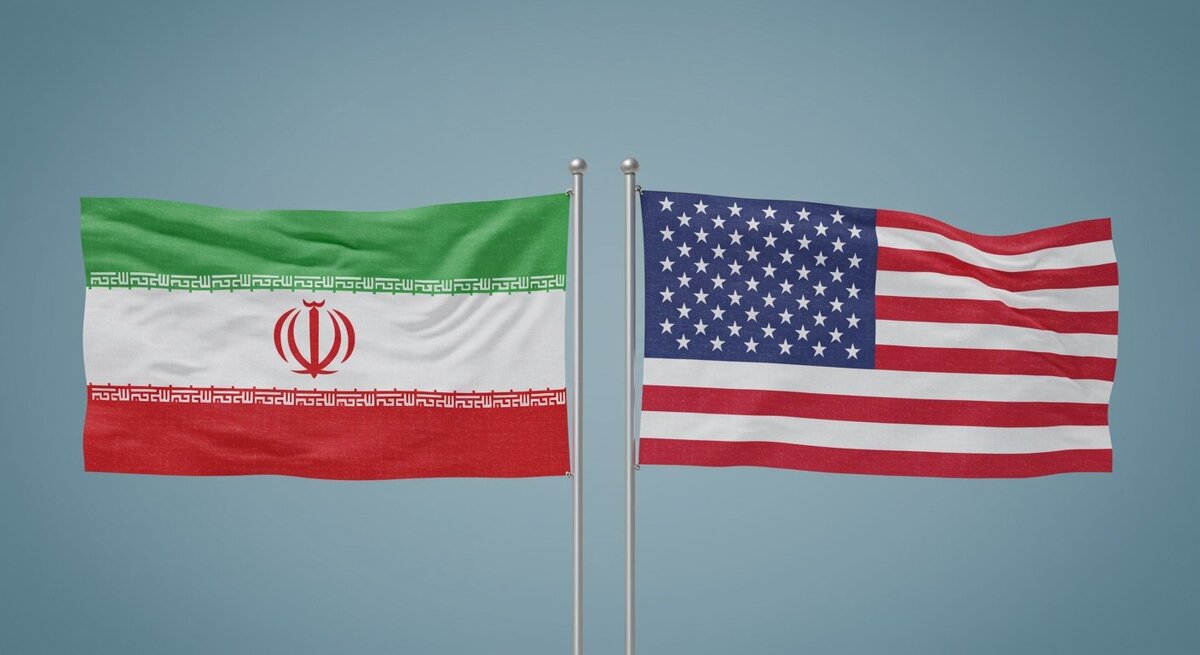
Where we are right now (March 24, 2026)
-
The Strait of Hormuz is a critical shipping choke point for global energy flows.
-
Disruption does not only affect “oil and gas companies.” It affects electricity prices, transportation costs, plastics and chemicals inputs, lead times, and customer demand.
This is a fast-moving situation. The analysis below reflects publicly available reporting up to March 24, 2026.
The business mechanism: how a Middle East escalation hits the shop floor
-
Energy volatility: fuel and electricity costs move, sometimes abruptly.
-
Logistics disruption: route changes, insurance costs, congestion, and capacity constraints.
-
Input price pressure: chemicals, plastics, metals, and industrial gases can become more expensive.
-
Demand uncertainty: customers slow orders, delay capex, or pull forward inventory depending on their risk posture.
1) Volatility becomes a design constraint
-
Speed of reconfiguration
-
Auditability and traceability
-
Workforce flexibility
-
Early detection of quality drift
2) Procurement and operations cannot be separate conversations
-
Standardize changes
-
Communicate updates
-
Train the workforce
-
Prove compliance
3) Quality costs become more painful
4) Customers will ask tougher questions
-
Proof of process and inspection
-
Traceability to lots/batches
-
Faster containment and corrective actions
A resilience checklist you can implement now (without waiting for the news cycle)
1) Standardize the work that matters most
-
Materials with volatile cost or availability
-
Processes with high scrap/rework impact
-
Steps where one expert “knows the trick”
-
SOP vs. work instruction: what’s the difference? (useful for aligning engineering, quality, and production on what needs to be standardized)
-
The importance of work instructions and how to write them (a practical starting point)
2) Shift quality left: detect issues during production
-
Digital checklists that match the process reality
-
Real-time capture of nonconformities
-
A structured ticketing and escalation loop
3) Tighten traceability without slowing operators down
-
Clear “what changed” communication
-
Proof of adherence to the updated method
-
Better linkage between work execution and quality outcomes
4) Make skills visible so you can flex staffing safely
-
Skill matrix and training for coverage, gaps, and certifications
-
Top benefits of using skills matrix software for the business case and how to set it up
5) Use AI as a force multiplier for documentation and learning
-
Speed up drafting and translating work instructions
-
Help operators search and retrieve the right step
-
Support faster onboarding
Turning “geopolitical risk” into operational advantage
-
Change processes safely and fast
-
Keep quality stable under pressure
-
Train people at speed
-
Provide auditable proof without creating admin overload
FAQ
Even if your factory is far from the region, the ripple effects can show up as energy volatility, freight disruption, higher insurance and transport costs, and input price pressure (chemicals, plastics, metals, industrial gases). It can also increase demand uncertainty as customers adjust inventory and capex decisions.
No one can predict a timeline reliably. From an operations perspective, plan in scenarios: a short shock (days), a choppy period (weeks), or a longer disruption (months). The goal is not guessing the news, it is maintaining safe output under volatility.
Often, yes. Even if your direct suppliers do not route through the Gulf, global energy and freight markets can reprice quickly, and upstream suppliers may be exposed (chemicals, plastics, metals, packaging, industrial gases, electronics components).
-
Identify your top 5–10 “volatility-exposed” processes (high scrap cost, high material sensitivity, heavy rework, or frequent changes).
-
Tighten standard work and ensure the latest work instruction is easy to access on the line.
-
Add temporary, in-line verification where substitutions or process changes are most likely.
-
Update work instructions and in-line checks before the first production run.
-
Add extra verification steps temporarily (then remove them once stable).
-
Ensure lot/batch traceability so you can contain issues quickly if there’s a downstream complaint.
-
One source of truth for the latest work instruction
-
Built-in capture of checks and deviations
-
Clear escalation paths and ownership
-
Skill visibility for shift planning
Waiting usually raises the cost of change. Volatility tends to create more variants, more substitutions, and more training pressure. Investments that speed up standardization, quality detection, traceability, and onboarding typically pay back faster when the outside world is unstable.