What Hannover Messe, Smart Manufacturing Week, and Tech For Industry taught us about where manufacturing is heading in 2026.
Q2 2026 took us across three borders: Smart Manufacturing Week in Birmingham, Tech For Industry Show 4.0 in Paris, and of course Hannover Messe in …Hannover. Three countries, thousands of conversations, one Innovation Award, and more than 500 beer bottle openers assembled at our stand.
Trade shows are a strange kind of research. You spend days on your feet, repeating your pitch, drinking questionable coffee. But you also get something no report can give you: hundreds of unfiltered conversations with the people who actually run production. Operators, supervisors, plant managers, CTOs. They tell you what keeps them up at night, and they tell you fast.
Here is what we took home.
1. Manufacturing is far from dead. It's buzzing.
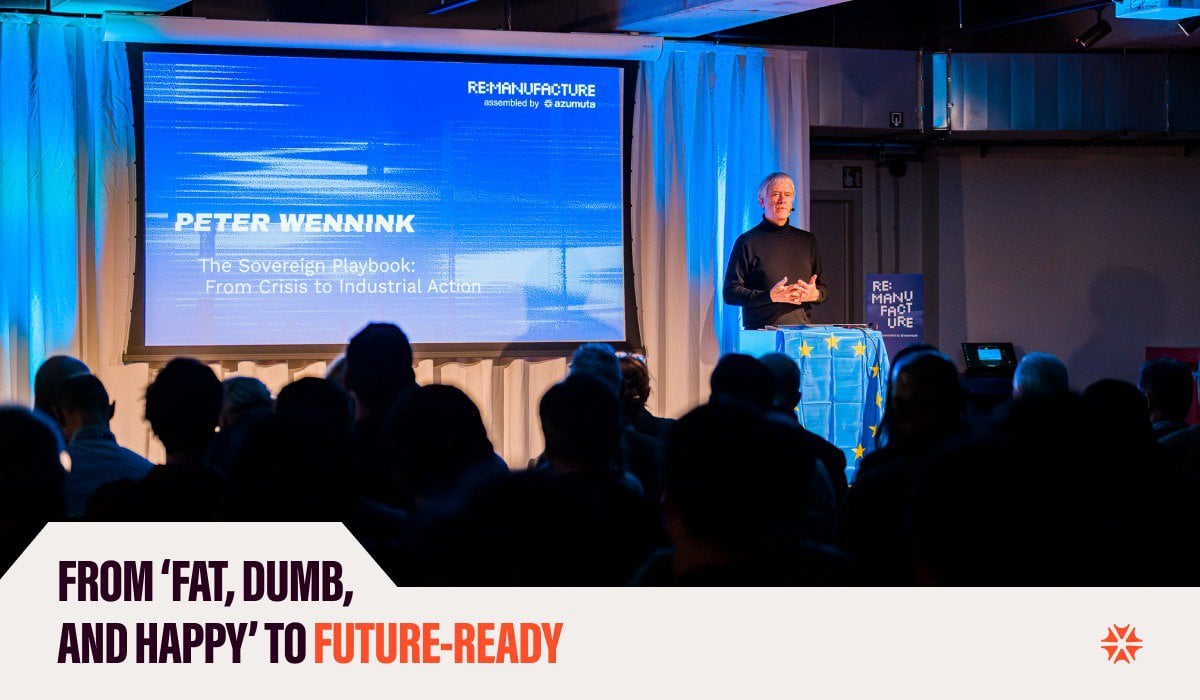
You hear it everywhere: manufacturing is in decline, young people don't want factory jobs, the industry is greying out. Then you walk into the halls of Hannover Messe and the story falls apart.
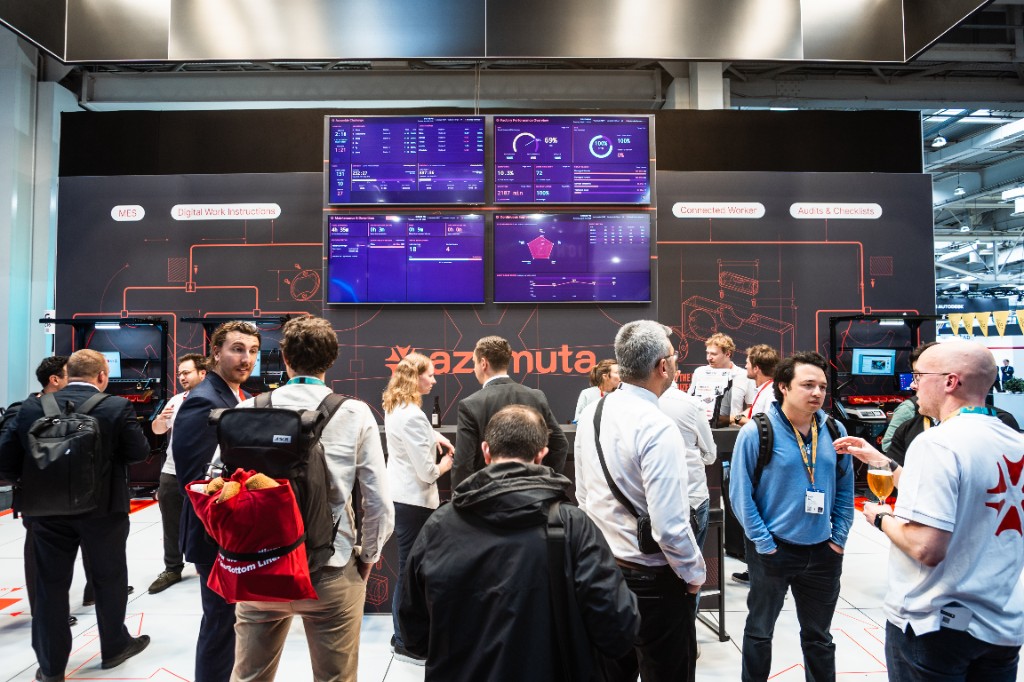
The aisles were packed. Not with tourists, but with people carrying real problems and real budgets. The same energy carried through Birmingham and Paris. Visitors came with specific questions about specific lines, specific quality issues, specific integration headaches. They came to solve, not to browse.
This is not an industry winding down. It's an industry getting serious.
2. People love to assemble things themselves
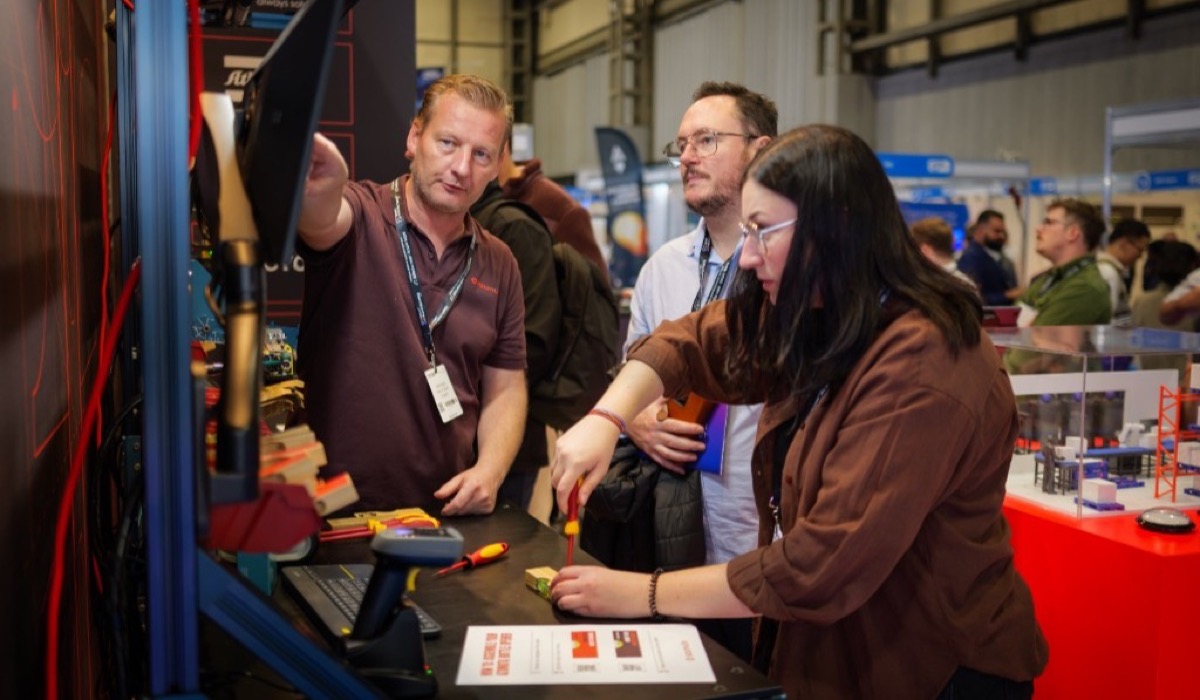
Here is the number we're most proud of this quarter, and it has nothing to do with pipeline: visitors assembled more than 500 beer bottle openers at our stand.
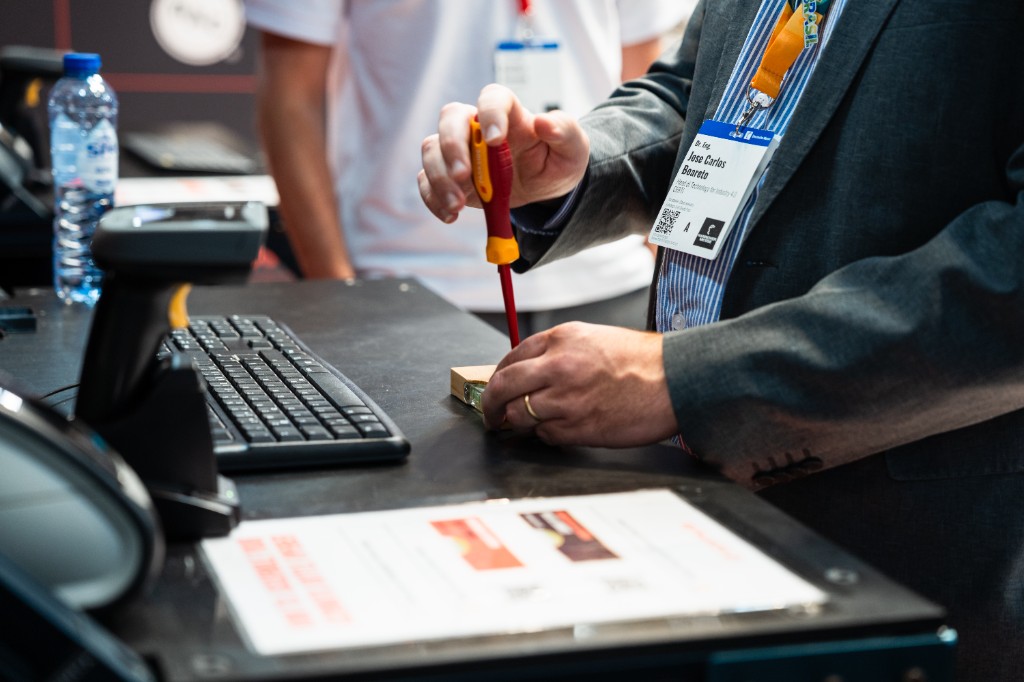
The setup was simple. A workstation, a set of parts, and digital work instructions guiding each step. No sales pitch required. Engineers, plant managers, and CEOs queued up to sit down, follow the instructions, and build something with their own hands. Some raced each other. Some studied every step. Almost everyone smiled when they clicked the last part into place.
It confirmed something we believe deeply: the urge to make things is human, and it isn't going anywhere. The factory of the future isn't lights-out. It's human-led. People don't want to be replaced on the shop floor. They want to be supported there, with clear instructions, instant feedback, and the satisfaction of work done right.
It also proved a quieter point. Every one of those 500+ bottle openers was assembled by someone who had never seen the product before, guided step by step. First-time-right assembly by complete beginners. That's what standardized, digital work instructions do.
3. The AI conversation flipped from "what if" to "show me"
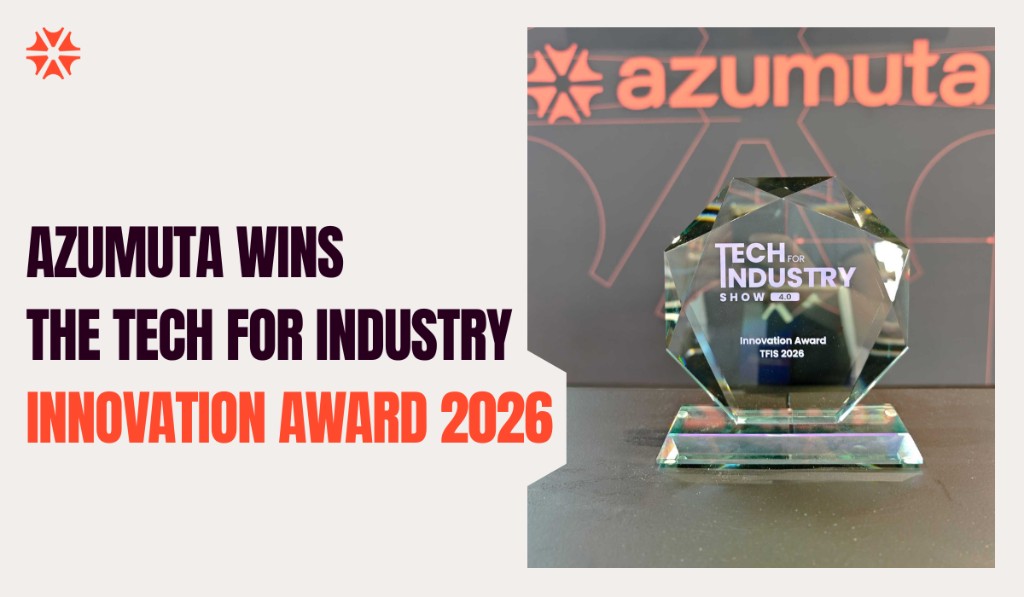
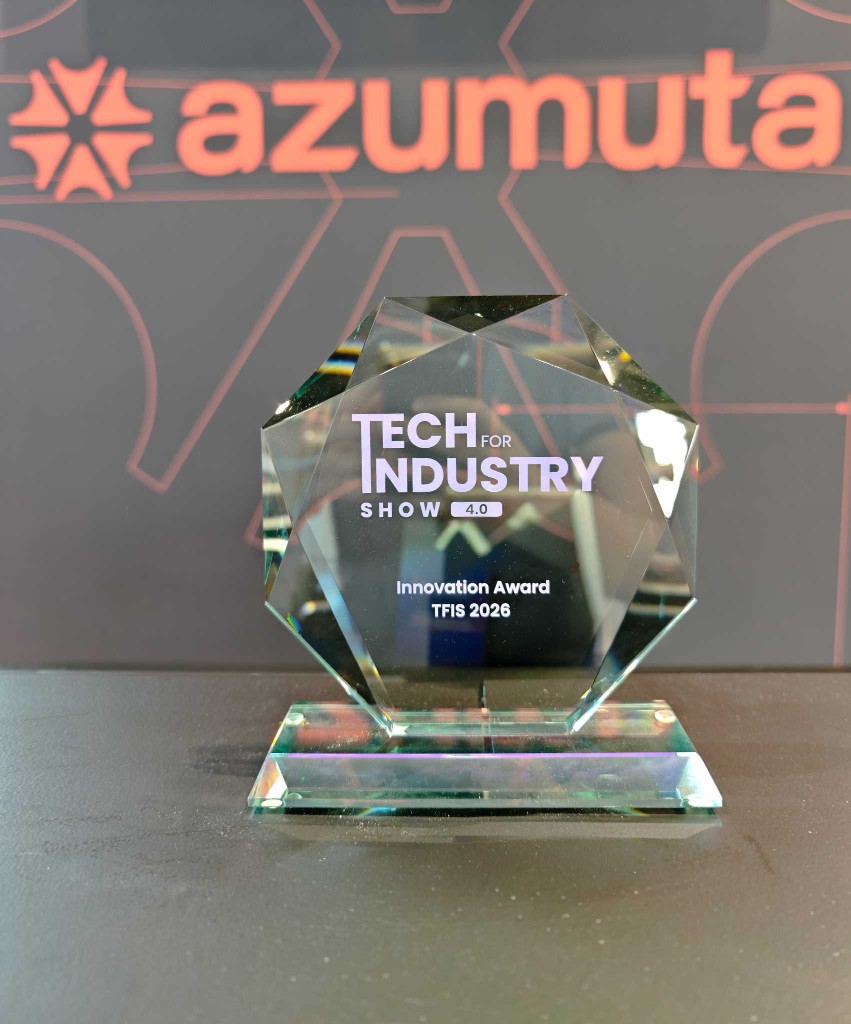
In Paris, Azumuta Labs won the Innovation Award at Tech For Industry Show 4.0. The occasion was the first public showcase of our Vision Language Model Work Instruction Agent, an experiment we run internally under the codename DiCaprio. And just like Leonardo and his long-awaited Oscar, our DiCaprio finally got its award.
Nobody asked us whether AI belongs in manufacturing. That debate is over. Every question was operational: How does it handle our product variants? What data does it need? How does it fit into our existing systems? Show it to me working in a production environment.
The Momentum Report captures this shift precisely. The questions have moved from "what could AI do?" to "why isn't this working at scale?" The biggest barriers to adoption are no longer imagination or use cases, but integration with legacy systems (cited by 25% of manufacturers) and data quality (20%). Manufacturers want proof, not promise. Awards juries apparently do too.
4. Execution beats ambition, everywhere
The most consistent theme across all three events had nothing to do with technology.
According to the Momentum Report, 64% of manufacturers say their productivity challenges are driven more by people and organisation than by technology. Only 34% report high confidence that their digital investments are delivering ROI. And 39% expect workforce and leadership capability, not AI adoption, to be the biggest source of competitive separation in 2026.
We heard this in every accent. The plant manager in Hannover who had three digital tools and no adoption. The operations director in Birmingham whose lean program "exists on paper." The quality lead in Paris whose most experienced operator retires next year, taking twenty years of undocumented know-how with him.
The pattern is clear: the industry has plenty of technology. What separates the leaders from the rest is whether change actually lands on the shop floor. Whether instructions get followed, whether knowledge gets captured, whether improvements stick beyond the initiative that launched them.
That's an execution problem, not an innovation problem. And it's exactly the problem we build for.
5. Data foundations come before intelligence
A related shift, easy to miss but visible at every stand: data has quietly become the main event.
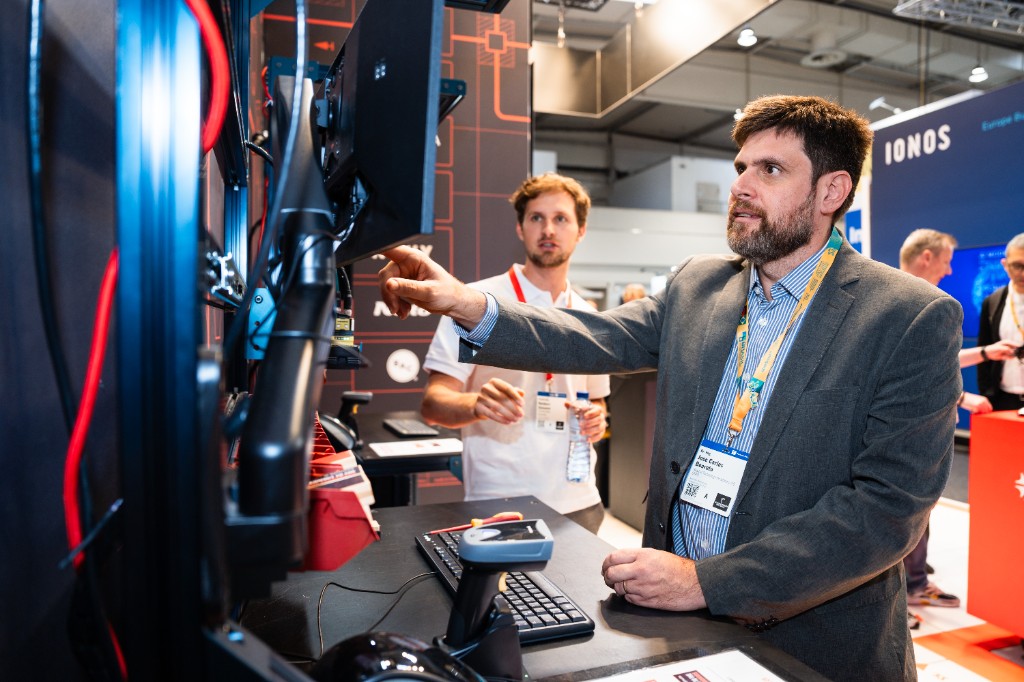
The real-live demos drew the crowds, as did the operational dashboard. The follow-up questions were about data. "Where does the data come from?" was the question we heard most at our stand, well ahead of anything about features or pricing. Visitors didn't doubt what AI could do. They doubted whether their factory could feed it.
The stories behind that doubt were remarkably alike. Work instructions in Word files, quality checks on paper, process knowledge in the heads of a few veterans, and systems that don't talk to each other. More than one visitor admitted their AI pilot stalled not on the model, but on the input. You can't build intelligence on a shop floor that doesn't capture how work is actually done.
The manufacturers making real progress are the ones working in the right order. First, capture how work is actually done. Turn instructions, checks, and executions into structured data. Then build intelligence on top of that foundation. Every instruction becomes data. Every execution becomes feedback. Every improvement becomes standard. Skip the foundation and the smartest algorithm has nothing solid to stand on.
6. Three countries, one conversation
We went into Q2 half-expecting three different markets with three different agendas. German engineering pragmatism, British productivity anxiety, French industrial policy pride.
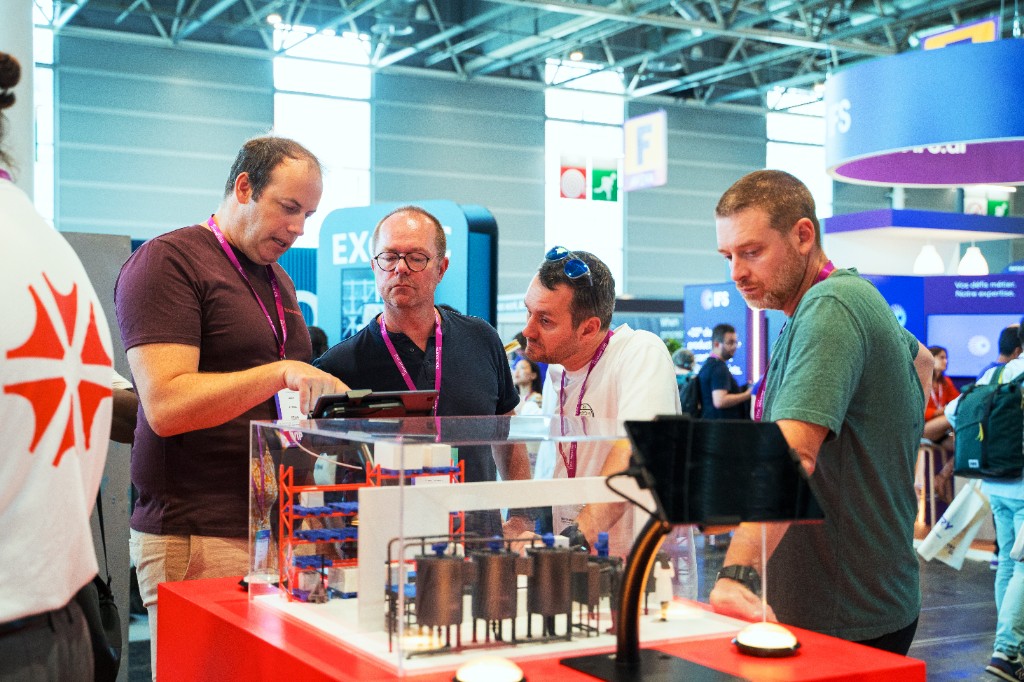
The stereotypes showed up in the coffee breaks. The priorities didn't differ at all.
In Hannover, Birmingham, and Paris, the same four topics dominated: how to keep knowledge in the company as experienced operators retire, how to onboard new people faster, how to make quality consistent across shifts and sites, and how to prove that digital investments actually pay off. The order varied. The list didn't.
That matters for anyone building or buying manufacturing technology. These are not local pains with local fixes. They are structural shifts in how the industry works, playing out on every factory floor in Europe at the same time. A solution that solves them in Ghent solves them in Stuttgart, Sheffield, and Lyon too.
What we're taking into H2
If we had to compress the quarter into one sentence, it would be this: manufacturing is no longer asking whether to transform, it's asking how to deliver.
We came home with an award, a stack of business cards (the only paper we still accept on the shop floor), and an empty crate of bottle opener parts. But mostly we came home confirmed in what we build every day: tools that respect the people doing the work, capture how that work is done, and make every next execution a little better than the last.
See you on the show floor after summer.
Curious what took the award in Paris? Read the story behind Azumuta Labs and the TFIS Innovation Award 2026 →